2 Jun 2026
Analysts Forecast Billions in Legal Wagers for 2026 World Cup Across U.S. Markets

Analysts project that Americans could wager between $2.32 billion and $4.33 billion or more on the 2026 FIFA World Cup through legal U.S. online sportsbooks, and that figure represents a potential 182% increase over 2022 levels. The expanded 48-team format along with 104 matches hosted across North America drives much of this outlook, and those matches include multiple prime-time U.S. games that observers expect to draw strong viewer and betting interest. Strong U.S. team performance potential adds another layer, because data from earlier tournaments shows heightened activity when the home region team advances deep into the bracket.
Key Factors Behind the Projected Growth
The 48-team structure expands the field from the previous 32-team setup, which creates more matches and longer tournament windows that extend betting opportunities across several weeks in June and July 2026. Researchers note that 104 total fixtures spread across the United States, Canada, and Mexico translate into additional daily events compared with prior cycles, and this schedule includes games timed for U.S. prime-time audiences. Those prime-time slots align with peak betting hours on legal platforms, because U.S. bettors show higher engagement when matches kick off in evening windows rather than midday or overnight periods.
Legal sportsbooks operating in states that have authorized online wagering stand positioned to capture this activity, and the projections focus exclusively on regulated channels rather than any offshore or unregulated markets. Data indicates the 182% jump over 2022 stems from both the increased match count and broader legalization across additional jurisdictions since the last World Cup cycle. When the 2022 tournament occurred, fewer states offered fully operational online sportsbooks, whereas current maps show dozens of states with active platforms that accept World Cup wagers.
Comparison to Historical U.S. Betting Events
Some forecasts position the 2026 World Cup totals above typical Super Bowl handles in certain scenarios, because the multi-week duration spreads volume across dozens of games instead of concentrating it into a single event. The Super Bowl generates concentrated spikes on one day, while the World Cup distributes activity from group stage through knockout rounds, and analysts calculate that cumulative handle could exceed single-game benchmarks when all 104 matches factor in. Those who've tracked past international tournaments observe that U.S. bettors increase participation when matches feature familiar teams or convenient viewing times, and the North American hosting arrangement supplies both conditions.
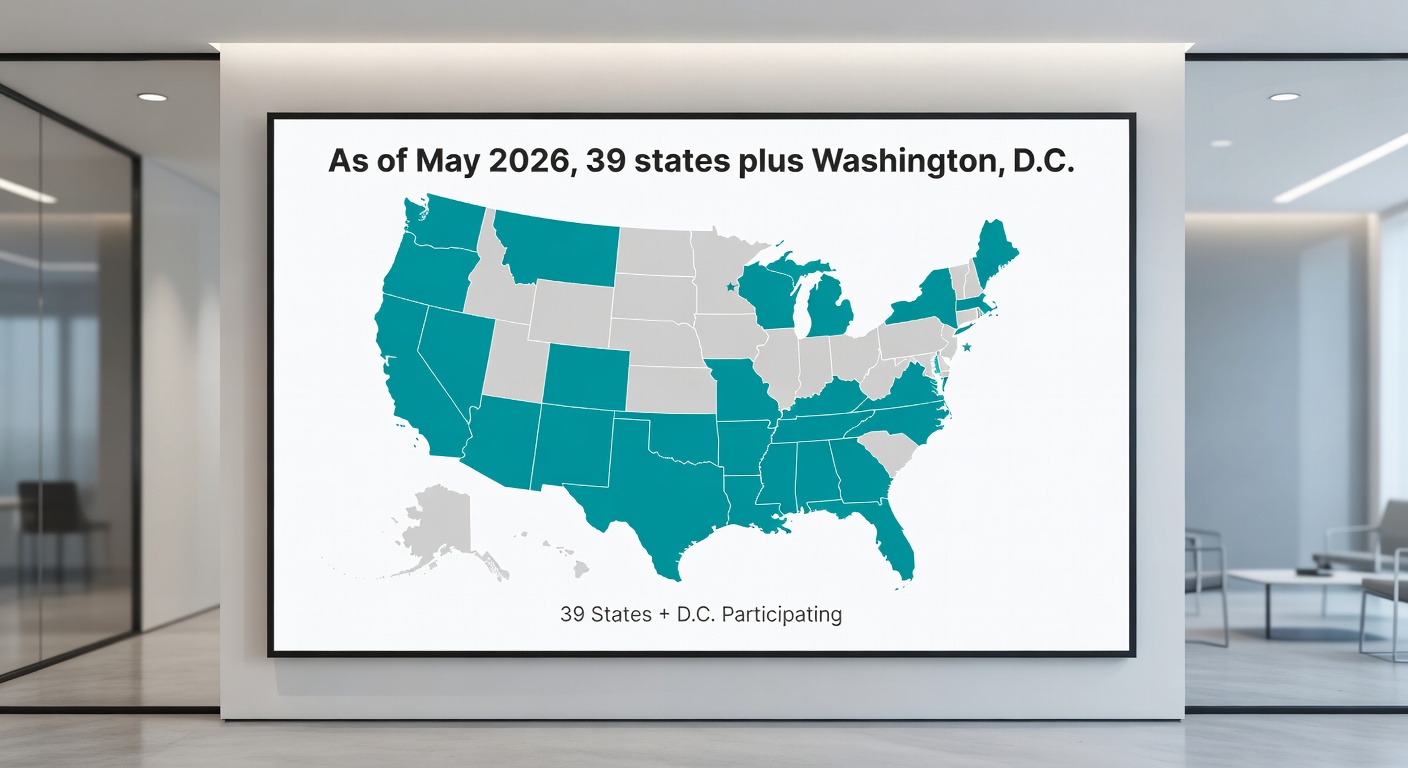
Evidence from 2022 shows measurable growth in legal handle compared with 2018, and the 2026 outlook builds on that trajectory with the added variables of more teams, more matches, and more states with operational sportsbooks. Figures reveal that prime-time U.S. games could generate outsized per-match volume, because domestic audiences tune in at higher rates and legal platforms record corresponding increases in wagers on those specific fixtures. The potential for a strong U.S. national team run further amplifies projections, since earlier tournaments demonstrated clear spikes in activity when the American squad remained competitive deep into the knockout stages.
Market Scope and Regulatory Context
Legal online sportsbooks in states with established regulatory frameworks account for the entire range cited in the analysis, and no estimates incorporate activity outside those licensed operations. The source material references industry research that models handle based on historical patterns adjusted for the expanded format and scheduling advantages. Observers note that the 48-team format guarantees every confederation representation and creates more cross-continental matchups, which in turn produces diverse betting markets on outcomes, goal totals, and player props that platforms can offer throughout the tournament window.
Because the event spans multiple time zones yet includes numerous U.S.-friendly kickoff times, bettors gain consistent access during standard operating hours for regulated apps and websites. This accessibility factor contributes to the modeled growth, as earlier cycles featured more matches that fell outside peak U.S. engagement windows. The projections therefore tie directly to measurable changes in format, geography, and market availability rather than speculation on individual game results.
Conclusion
The analysis places the 2026 FIFA World Cup among the largest single-event betting opportunities in U.S. history under current legalization conditions, with the cited range of $2.32 billion to $4.33 billion or higher emerging from the combined effects of 48 teams, 104 matches, North American scheduling, and domestic team potential. Legal sportsbooks stand ready to process that volume through established channels, and the 182% increase projection over 2022 levels reflects documented trends in participation following each prior expansion of regulated markets. Data from the referenced study supports these parameters without extending into unregulated segments or unverified assumptions about final outcomes.