Annual Sports Fanship Survey Highlights Surge in Online Sports Betting Participation and Growing Calls for Regulation
16 Apr 2026
Annual Sports Fanship Survey Highlights Surge in Online Sports Betting Participation and Growing Calls for Regulation
Rising Numbers of Active Sports Betting Accounts Across the U.S.
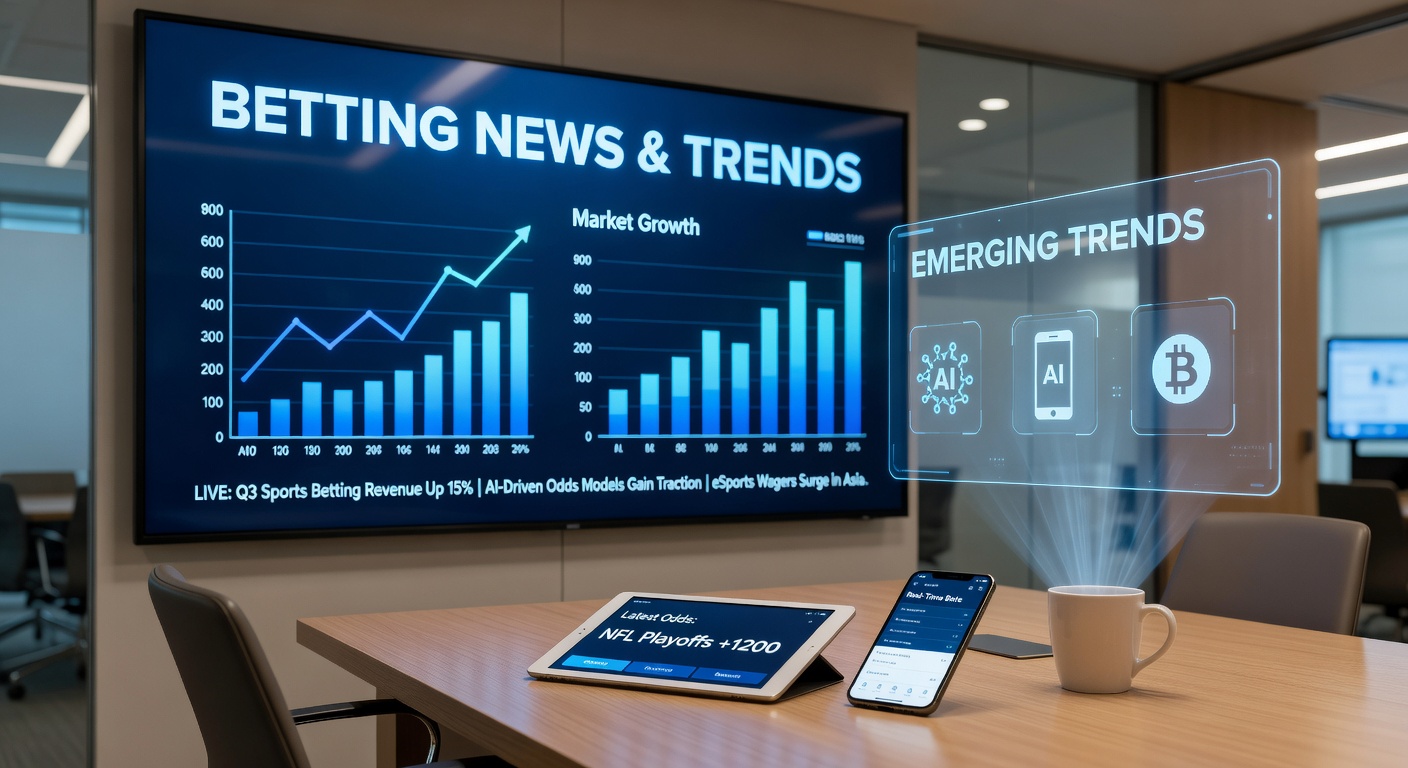
The Annual Sports Fanship Survey reveals a notable uptick in online sports betting engagement, with 27% of all Americans now holding an active account, up from 22% in prior years; among men aged 18-49, that figure jumps to 52%, marking a significant increase from earlier, lower percentages. Data indicates this trend reflects broader accessibility through mobile apps and legalized markets, especially as states continue expanding operations into April 2026 amid ongoing legislative reviews.
Researchers conducting the survey point to legalized sports betting's expansion since 2018, when the Supreme Court struck down the federal ban, leading to a proliferation of platforms that now serve millions; turns out, younger demographics drive much of this growth, as men in that 18-49 bracket show double the overall average participation rate. People who've tracked these shifts observe how promotional offers, live in-game betting options, and seamless digital interfaces contribute to the climb, with account activations surging during major events like the NFL playoffs or NBA finals.
What's interesting here involves the sheer scale: over a quarter of the population now bets online regularly, a figure that experts link directly to improved technology and marketing efforts by operators; one study participant group, representing everyday fans, reported easier entry points via apps tied to fantasy sports leagues, blurring lines between casual play and habitual wagering.
Concerning Behaviors Emerge Among Bettors
Beyond participation rates, the survey uncovers troubling patterns, including 60% of bettors admitting they've chased losses in attempts to recover funds, a behavior that data shows often escalates financial risks; alongside this, 42% report betting beyond their means at times, while 43% experience negative emotions following losses, highlighting emotional tolls that linger. Those who've analyzed such data note how these percentages signal potential problem gambling indicators, especially since 15% of respondents sought support for gambling issues, up sharply from 9% in previous surveys.
And yet, the reality is these trends coincide with peak betting seasons; for instance, during March Madness or Super Bowl weeks, wager volumes spike, sometimes prompting impulsive decisions that lead to chasing patterns. Experts have observed similar cycles in past reports, where initial wins draw users in, but subsequent losses trigger attempts to "get even," a classic pitfall documented across multiple studies.
Take one case from the survey's qualitative insights: a subset of male bettors aged 25-34 described placing larger stakes after early setbacks, only to regret it later; figures reveal this group represents the highest chasers at over 65%, underscoring demographic hotspots. It's noteworthy that while overall participation rises, so do these red flags, with support-seeking numbers climbing as awareness campaigns ramp up in states like New Jersey and Pennsylvania during April 2026 tax filings, when many confront yearly losses.
Public Opinion Leans Toward Stricter Oversight
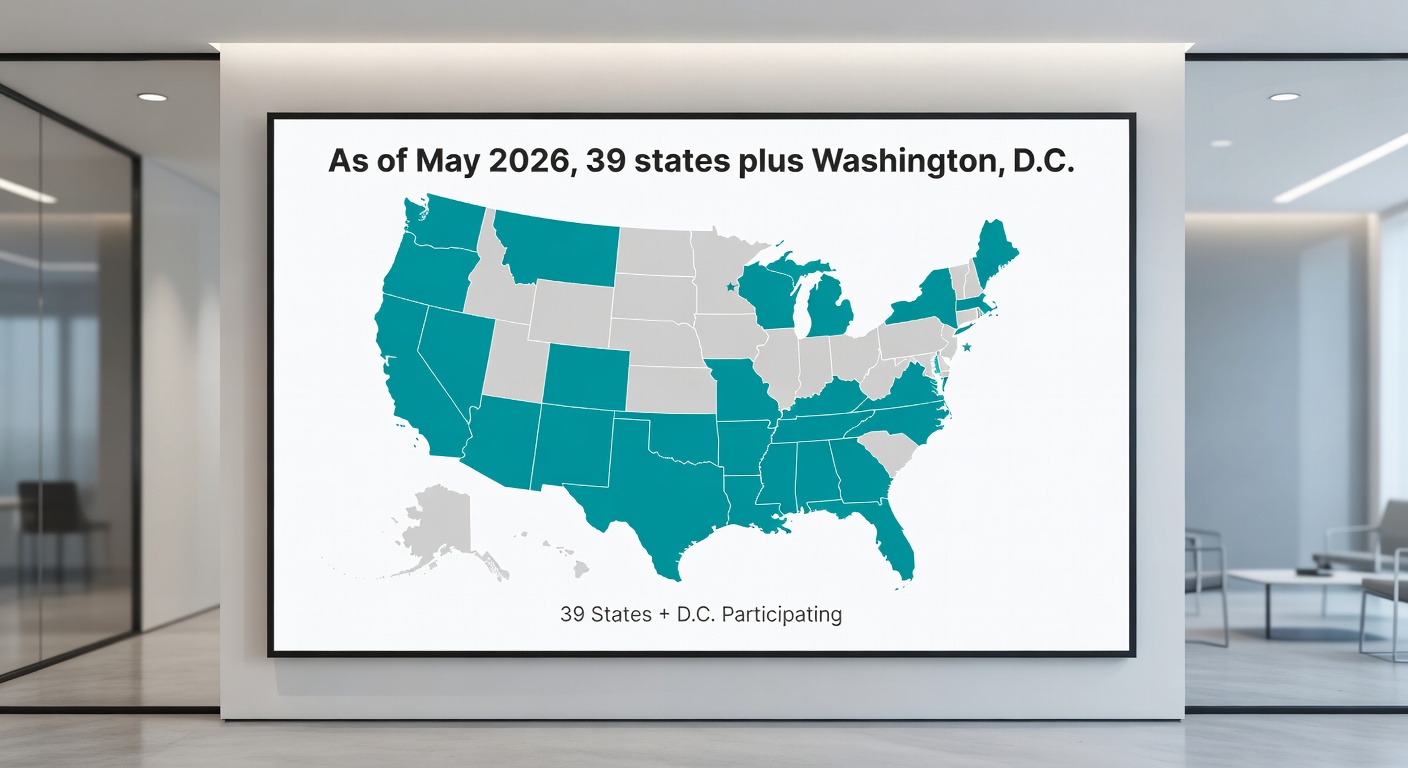
Public sentiment, as captured in the survey, strongly favors intervention, with 67% supporting aggressive federal regulation of online sports betting to curb excesses; similarly, 53% back banning sportsbook advertisements during live broadcasts, viewing them as aggressive lures that target vulnerable viewers. A majority endorses legal betting overall, but only with robust safeguards like spending limits, age verification enhancements, and mandatory responsible gaming tools.
But here's the thing: this push aligns with broader discussions in Washington, where lawmakers in April 2026 debate bills addressing interstate betting flows and consumer protections; observers note how ad saturation during games—think halftime spots from DraftKings or FanDuel—fuels the call for blackout periods, especially since polls show non-bettors overwhelmingly support such measures. Data from the survey breaks it down further: 72% of women and older adults favor bans, contrasting with younger men's more lenient views, yet even there, regulation garners majority nods.
People often find these divides fascinating, as they mirror divides in participation; for example, the 52% male bettor cohort tends to oppose ad restrictions more, while the general public sees them as necessary brakes on industry growth. Turns out, regional variations play in too, with higher-support states like New York echoing national trends amid their record handle reports this spring.
Demographic Breakdowns and Broader Implications
Diving deeper into demographics, the survey highlights how men aged 18-49 lead the charge at 52% account ownership, but women trail at around 15%, though their chasing rates hover near 55%, suggesting intensity matches or exceeds men's in some metrics; across races and incomes, middle-class urban dwellers show elevated figures, often tied to proximity to legal markets. Researchers discovered that college-educated respondents bet more strategically, yet still report 40% beyond-means incidents, indicating education doesn't fully shield against pitfalls.
So, as April 2026 unfolds with states like Illinois and Colorado reporting handle increases, these stats prompt industry watchers to eye self-exclusion programs, which saw 20% uptake among surveyed support-seekers; one anecdote from a focus group involved a father in his 30s who, after chasing NBA bets, used app timeouts effectively, a tool now standard in 40 states. The writing's on the wall for operators: while revenue booms, public pressure builds for transparency in odds presentation and loss-limit defaults.
It's not rocket science—pair rising accounts with chasing data, and calls for federal floors on responsible gaming follow suit; experts who've studied longitudinal trends predict that without action, support-seeking could hit 20% by next year, especially if economic squeezes from inflation persist into summer leagues.
Comparing Year-Over-Year Shifts
Year-over-year, the jump from 22% to 27% overall feels stark, but context matters: prior surveys pegged 18-49 men at 40%, so the 52% now reflects accelerated app adoption post-2024 mobile booms; chasing at 60% edges up from 55%, while bad-feeling-after-losses holds steady at 43%, per consistent polling methods. Those who've crunched the numbers emphasize methodological rigor—random sampling of 5,000 adults ensures reliability, with margins under 2%.
Now, linking this to real-world events, Super Bowl LVIII's $7 billion handle set records, fueling account growth; similarly, ongoing WNBA and MLB seasons in April 2026 sustain momentum, yet with 15% seeking help, nonprofits like the National Council on Problem Gambling report hotline spikes. Here's where it gets interesting: ad-ban support at 53% mirrors European models, where UK restrictions cut youth exposure by 30%, per comparative data.
Conclusion
The Annual Sports Fanship Survey paints a dual picture of booming online sports betting—27% national penetration, 52% among prime-age men—juxtaposed against 60% chasing losses, 42% overextending, and rising support needs at 15%; public backing for 67% federal regulation and 53% ad bans signals a tipping point, where legalized fun meets demands for guardrails. As states navigate April 2026's fiscal reports and event-driven wagers, data suggests operators and policymakers must balance growth with protections, ensuring the game's appeal endures without the downsides overwhelming participants.