31 May 2026
Betting Companies Launch Win For America PAC to Back Supportive Candidates

Online sports betting operators DraftKings, FanDuel, and Fanatics have combined forces to create a new super PAC named Win For America, and they have directed roughly $43 million into that vehicle so far. The organization plans to participate in state legislative contests across at least 11 states while supporting candidates who favor regulated sports betting and opposing measures that would tighten oversight. Committee filings for Win For America (C00925586) show the contributions arrived in recent months as lawmakers in several capitals consider fresh restrictions on the expanding market.
The effort arrives while some elected officials express second thoughts about the speed at which sports wagering has grown since the 2018 Supreme Court decision that cleared the way for state-level legalization. Observers note that the industry views certain pending bills as threats to revenue models that have developed quickly over the past several years, and companies are responding by increasing their presence in state-level political contests.
Details of the Super PAC Formation and Funding
Win For America registered as a super PAC earlier this year, and the three major operators supplied the bulk of its early resources. The pooled funds allow the group to run independent expenditure campaigns, including advertising and voter outreach, without coordinating directly with individual candidates. Records indicate the money will target races in states where legislative majorities could determine whether new taxes rise, advertising limits tighten, or certain bet types face bans. Those who track campaign finance note that super PACs of this scale can influence outcomes in smaller statehouse districts where modest spending shifts visibility for candidates.
The companies involved operate nationwide platforms, and each maintains significant market share in states that already permit mobile sportsbooks. DraftKings maintains its headquarters in Boston, which places Massachusetts at the center of current debates. FanDuel and Fanatics likewise hold large customer bases across multiple jurisdictions, and representatives from each firm have stated publicly that stable regulatory frameworks help protect consumers while allowing operators to plan long-term investments.
Legislation Drawing Industry Attention in Massachusetts
In Massachusetts, state Sen. John Keenan introduced the Bettor Health Act, legislation that would prohibit prop bets on individual plays or micro-events, limit advertising exposure, and more than double the tax rate applied to sportsbook revenue. The bill reflects concerns raised by some lawmakers about potential links between rapid market growth and increased reports of gambling-related harm. Supporters of the measure argue that additional safeguards would align state policy more closely with public health priorities, while critics contend the changes would push activity toward unregulated channels.
Win For America has signaled interest in Massachusetts contests that could affect the bill's prospects. The group has not disclosed specific candidate endorsements at this stage, yet filings show resources allocated for media buys and research in districts represented by legislators who have expressed openness to tighter rules. Those who monitor Beacon Hill activity note that the legislation remains in committee, and its path forward depends on negotiations that could extend into the next session.
Broader State-Level Targets and Strategy
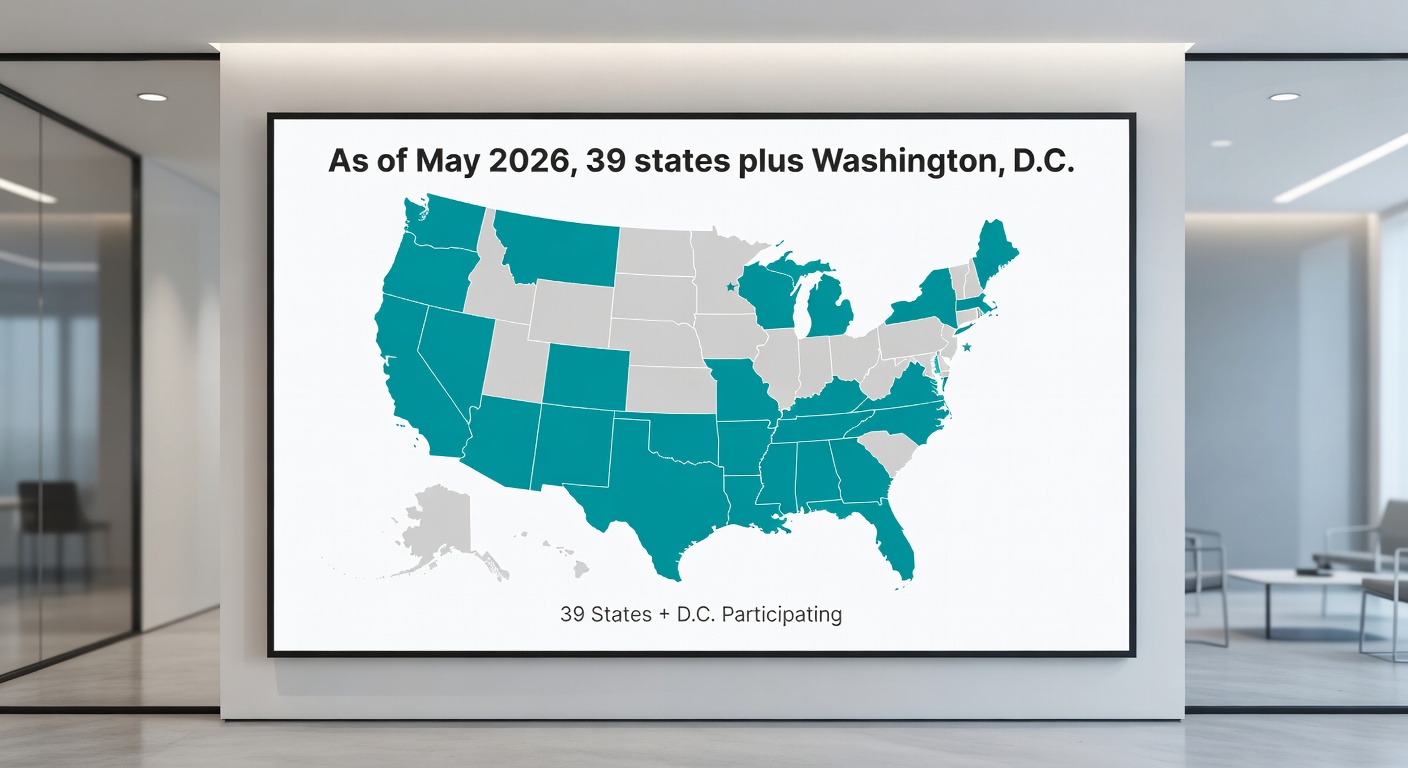
The PAC's footprint extends beyond Massachusetts into at least ten additional states where sports betting remains either newly legalized or still under legislative review. In each location the group aims to back candidates who view regulated markets as preferable to prohibition or heavy-handed restrictions. Strategy documents referenced in public filings emphasize the importance of maintaining tax rates that allow operators to compete with offshore sites while funding responsible gambling programs already required by many state statutes.
Industry representatives point out that several states have already adjusted their regulatory approaches after initial launch periods. Data compiled by state gaming commissions show tax collections rising in line with handle growth, yet some lawmakers have questioned whether current frameworks adequately address addiction risks. Win For America plans to highlight economic contributions, including employment at call centers and technology hubs tied to the betting platforms, when communicating with voters in targeted districts.
Context of Lawmaker Concerns and Industry Response
The phrase "buyer's remorse" has appeared in reporting on legislative sentiment in multiple capitals, where early enthusiasm for legalization revenue has given way to questions about social costs. Sen. Keenan's proposal illustrates one such shift, and similar language has surfaced in hearings in other states considering advertising caps or bet-type restrictions. The companies behind Win For America maintain that existing state programs, including self-exclusion lists and age-verification requirements, already provide meaningful protections, and they argue that further limits could reduce the visibility of those tools.
Campaign finance observers have tracked similar industry spending patterns in prior election cycles, although the scale of the current commitment marks an increase. The $43 million figure represents a coordinated effort among competitors who otherwise vie for the same customers, and it underscores the shared interest in preserving market access. Those who study super PAC activity note that such groups often focus on primaries, where turnout tends to be lower and outside spending can carry greater weight.
Conclusion
Win For America has positioned itself as a vehicle for the sports betting sector to engage directly with state-level policy debates at a moment when several legislatures are weighing adjustments to existing rules. The $43 million committed by DraftKings, FanDuel, adn Fanatics will support candidates across at least 11 states, with particular attention on measures such as the Bettor Health Act in Massachusetts. Committee filings for Win For America (C00925586) provide the public record of these contributions, and the coming months will reveal which races receive the largest allocations as primaries approach. The outcome of those contests could shape the regulatory landscape for online sports wagering well into the next decade.