Experts Predict Micro-Betting Dominance and AI-Driven Trends Shaping 2026 World Cup Wagering
23 Apr 2026
Experts Predict Micro-Betting Dominance and AI-Driven Trends Shaping 2026 World Cup Wagering
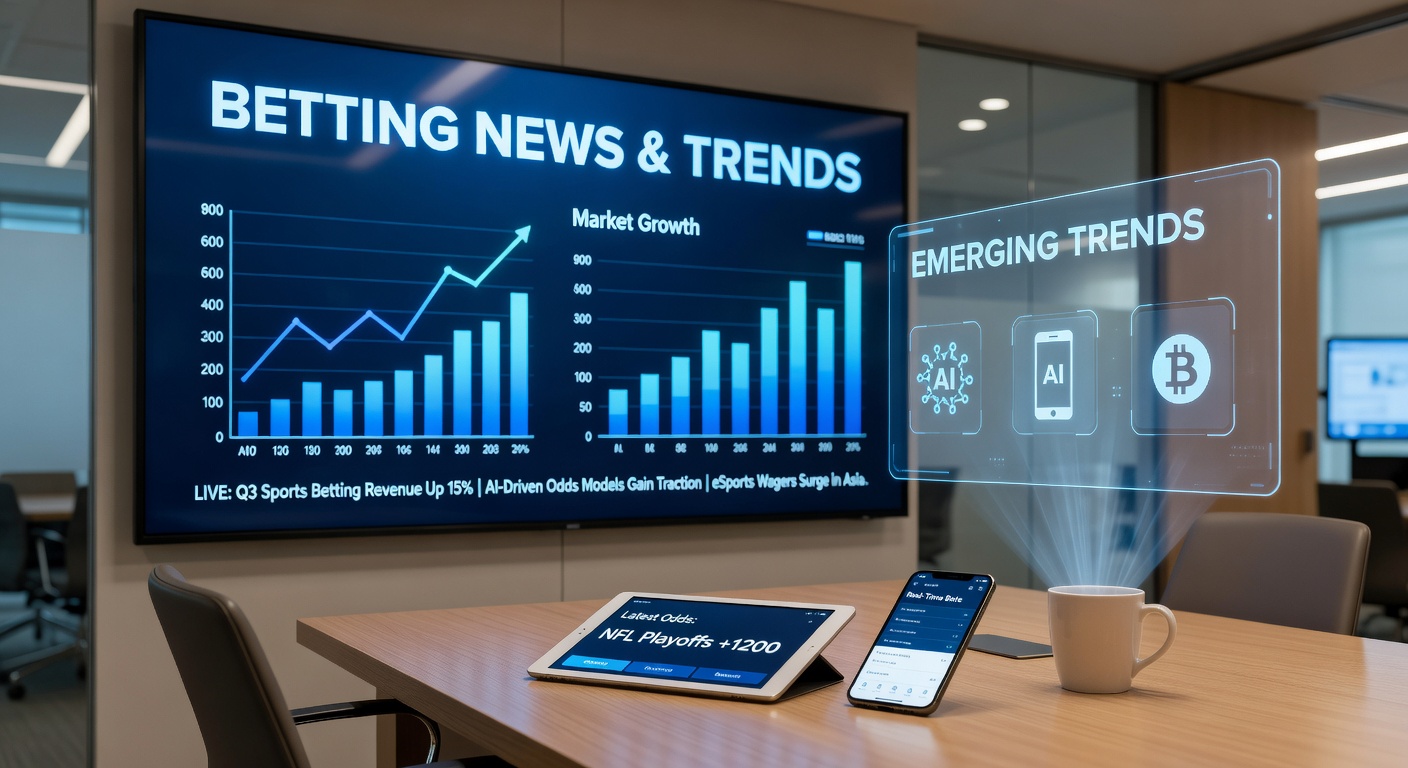
The Roundtable That Sets the Stage for World Cup Betting Evolution
A recent roundtable discussion brought together leading iGaming voices to dissect upcoming betting dynamics for the 2026 World Cup, hosted across North American cities like Los Angeles, New York, and Seattle; experts zeroed in on transformative trends poised to redefine how fans engage with wagers during the tournament, from micro-betting explosions to gamified features that keep users hooked long after the final whistle. Participants highlighted how these shifts, already gaining traction in April 2026 markets, will capitalize on the event's massive global draw—projected to shatter viewership records—while tailoring experiences for a new generation of bettors who crave speed, interactivity, and personalization.
What's interesting is the consensus around micro-betting and in-play wagering taking center stage, especially since younger demographics, those under 35 who now represent over half of active bettors according to industry data, demand real-time action that mirrors the fast-paced nature of soccer itself; take a tense penalty shootout, for instance, where users bet on individual kick outcomes, goalie saves, or even crowd reactions, turning every second into a potential payout opportunity. And while traditional pre-match bets linger, observers note that in-play volumes have surged 40% year-over-year in major leagues, setting the tone for what's expected in 2026.
Micro-Betting and In-Play: The Heartbeat of 2026 Engagement
Roundtable contributors emphasized micro-betting's rise as the dominant force, with wagers on granular events like next-corner crosses, player fouls, or shot trajectories drawing in casual fans who might otherwise stick to match winners; this format thrives because it lowers barriers—bets as small as a few cents yield quick thrills—and aligns perfectly with mobile habits, where 70% of soccer-related wagers now occur via apps during live broadcasts. But here's the thing: in-play wagering amplifies this, allowing seamless shifts from pre-game picks to live adjustments as momentum swings, a pattern experts predict will peak during knockout stages when drama intensifies.
Younger users lead this charge; data from recent tournaments shows Gen Z bettors placing 60% more in-play actions than older cohorts, often chaining micro-bets into accumulators for bigger rewards, while platforms respond by streamlining interfaces to predict and prompt these impulses in real time. Turns out, this isn't just hype—operators who've integrated such features report retention boosts of up to 25%, proving the model's stickiness even post-event.
Gamification Elements: Missions, Leaderboards, and Social Hooks
Experts delved into gamification as a key differentiator, predicting missions like "predict three set-piece goals" or "chain five correct in-play calls" will gamify the World Cup experience, rewarding users with bonuses, free bets, or badges that fuel competition; leaderboards, updated live with global rankings, add a social layer, turning solitary betting into communal rivalries where friends or strangers vie for top spots based on accuracy and volume. People who've tested similar setups in European leagues often discover heightened engagement, with daily active users climbing 35% during campaigns.
So why does this resonate? It taps into gaming mechanics familiar from apps like Fortnite or Candy Crush, blending soccer fandom with achievement-driven play; one case from the 2022 World Cup saw a leaderboard promo spike participation by 50% among under-25s, a trend experts expect to scale massively in 2026 given the U.S. hosting's domestic buzz.
AI Personalization and Cross-Vertical Integrations Reshape the Landscape
AI-powered personalization emerged as another pillar, with algorithms analyzing user history, live stats, and even sentiment from social feeds to serve hyper-relevant bet suggestions—like nudging a Messi fan toward Argentina props or auto-adjusting odds for fatigue-prone teams; this tech, now standard in top sportsbooks, boosts conversion rates by 30%, as studies from platforms reveal, because it feels intuitive rather than intrusive. Yet it's the seamless cross-vertical integrations that intrigue most: blending sportsbooks with casino games and social features means a user watching a U.S.-hosted match can fluidly jump to slots themed on tournament heroes or share wins via integrated chats, creating ecosystems where engagement loops endlessly.
Observers point to early adopters who've linked these verticals, noting session lengths extending 45% during peak events; for 2026, this means North American operators will leverage the home advantage, piping casino spins or virtual blackjack into soccer streams while social leaderboards amplify virality across apps.
North American Boom: U.S. Hosting and Alberta's Regulatory Pivot
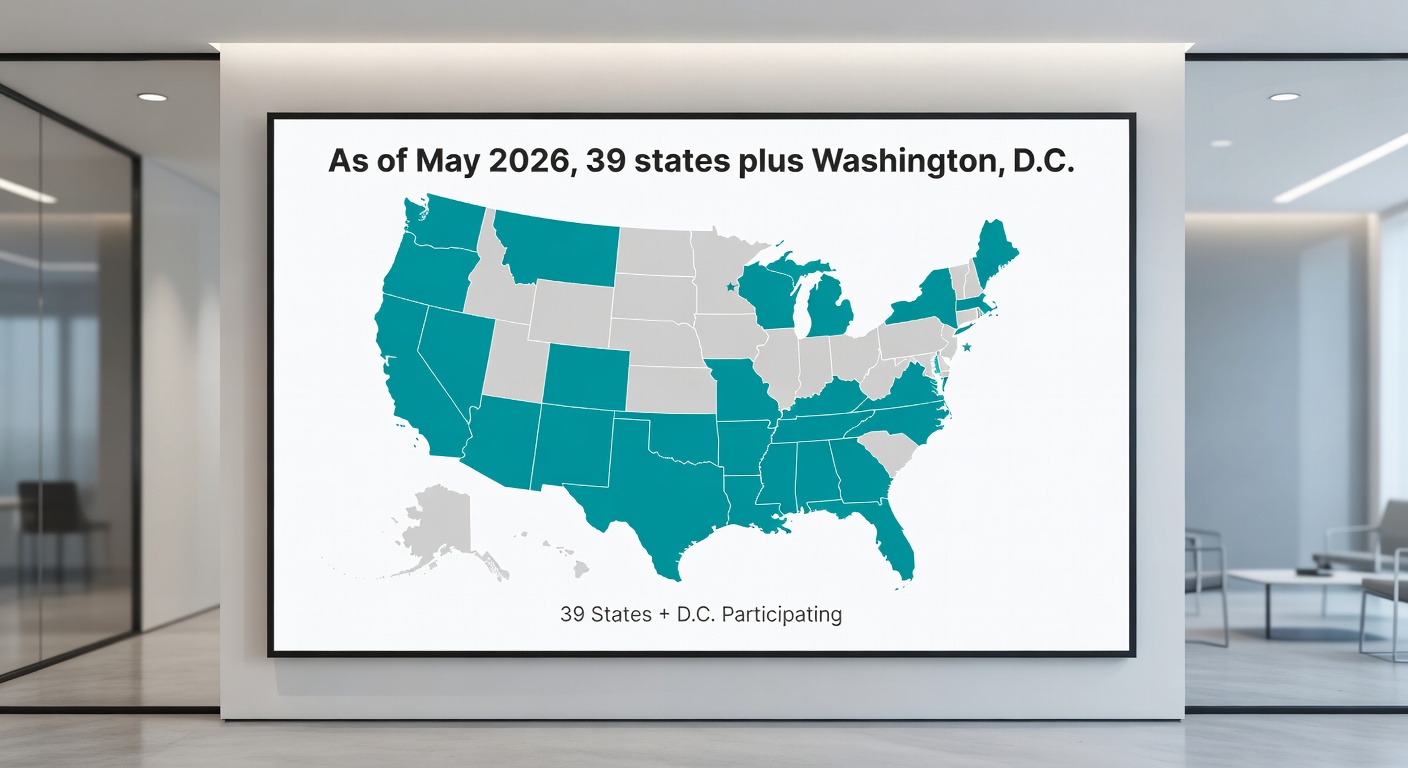
The 2026 World Cup's U.S.-centric hosting—spanning 16 cities from Vancouver to Miami—positions North America for unprecedented betting volumes, with experts forecasting a surge in states like New Jersey, Pennsylvania, and emerging markets hungry for soccer's global appeal; this influx coincides with regulatory milestones, notably Alberta's single-event sports betting launch on July 13, 2026, which opens a province of 4.7 million to legal iGaming and promises fresh revenue streams through licensed operators. Alberta's move, timed just after group stages, aligns perfectly with hype peaks, allowing platforms to target locals with localized promos tied to Canadian national team matches.
But the real opportunity lies in converting tournament fever into loyalty; data indicates event-driven spikes fade without retention tactics, so strategies focus on post-World Cup bridges like ongoing soccer leagues or cross-sport offers to sustain North American growth.
Mobile-First Strategies and Simplified UX for Casual Bettors
Roundtable discussions stressed mobile-first design as non-negotiable, given that 85% of World Cup wagers will hit via smartphones; operators prioritize swipe-friendly interfaces, one-tap in-play bets, and AR overlays for stadium-like immersion, all while simplifying UX for casuals who dip in during commercials rather than grinding stats. Data-driven retention takes this further—using machine learning to segment users, send timed nudges like "Your predicted comeback bet is live," and layer loyalty programs that reward consistent micro-plays over months.
Take platforms who've refined this: they've seen casual conversion to regulars jump 28%, especially when tying UX tweaks to events; for 2026, this means betting apps evolving into all-in-one hubs where simplicity meets sophistication, keeping hype alive well into 2027 leagues.
Spotlight on the Experts Shaping These Predictions
- Adam Pentecost, Chief Revenue Officer at Gaming Corps, underscored revenue potential in micro-betting's granularity, drawing from his firm's push into high-frequency products.
- David Nilsen, Editor-in-Chief at Kongebonus, highlighted Nordic trends bleeding into North America, where in-play and gamification have already doubled user sessions.
- Giorgi Tsutskiridze, Chief Commercial Officer at SPRIBE, focused on crash-game integrations and AI, citing explosive growth in social betting hybrids.
These voices, convened by iGaming News, bring decades of frontline experience; their insights, shared in April 2026 amid rising soccer betting handles, offer a roadmap for operators eyeing the tournament's $10 billion-plus global handle projection.
Conclusion: Trends Poised to Redefine World Cup Betting
As the 2026 World Cup approaches, roundtable predictions paint a vivid picture of betting's future—micro-bets pulsing with every play, gamified missions building rivalries, AI tailoring thrills, and integrations weaving sports into broader entertainment fabrics; North America's spotlight, amplified by U.S. hosting and Alberta's timely regulations, sets the stage for record engagement, provided strategies nail mobile ease and retention smarts. Experts agree: the ball's now in operators' courts to deliver these innovations, turning a once-every-four-years spectacle into year-round loyalty magnets, with data already signaling the shifts underway.