30 Jun 2026
Linking Stadium Architecture Acoustics to Momentum Swings Across Multi-Sport Live Markets
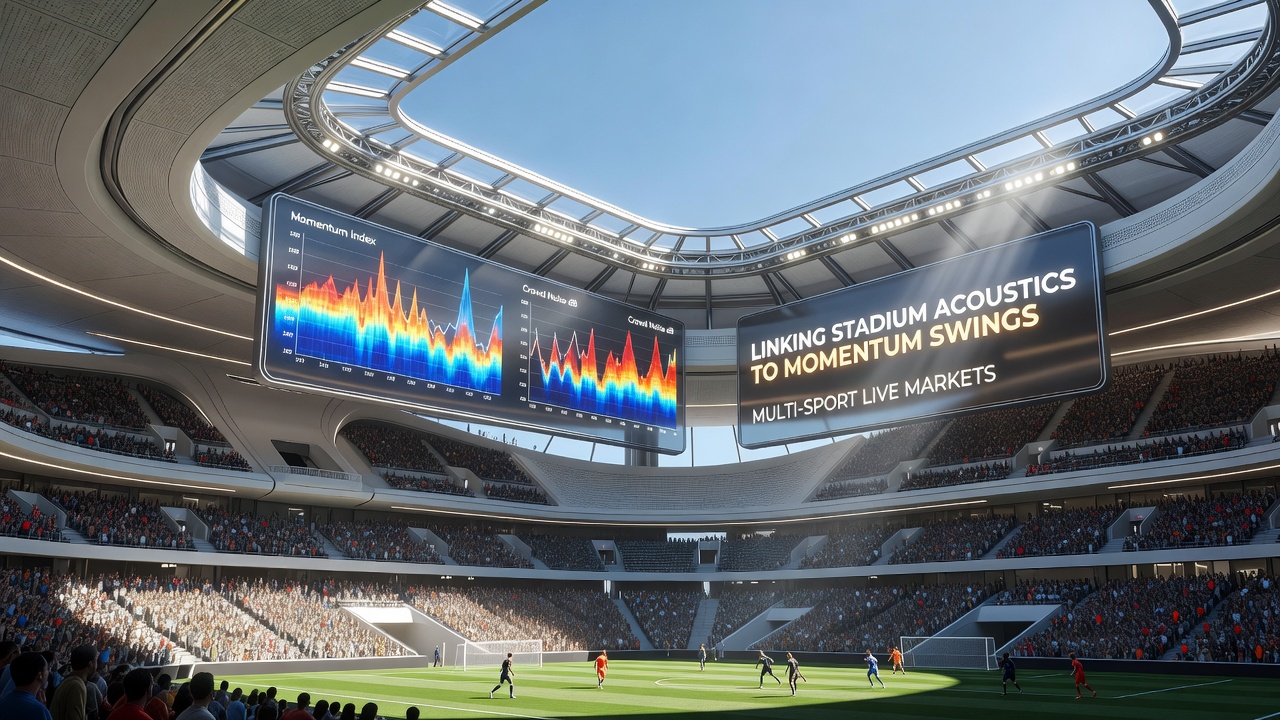
Stadium architecture shapes sound propagation in ways that directly influence player focus and crowd-driven momentum during live events, and those effects appear in shifting odds across multi-sport betting platforms. Enclosed designs with curved roofs concentrate noise levels at specific frequencies, while open-air venues disperse sound through natural ventilation patterns, and researchers have documented measurable differences in how these environments alter game dynamics in real time.
Architectural Features That Shape Acoustic Environments
Modern venues incorporate materials like perforated panels and angled surfaces that either absorb or reflect sound waves, creating zones where decibel spikes occur near the field of play. Data from recent installations shows that domed structures can sustain crowd noise above 110 decibels for extended periods during critical plays, whereas retractable-roof stadiums allow operators to adjust airflow and thereby modulate reverberation times. Observers note that these adjustments coincide with measurable changes in team execution rates, particularly in high-pressure sequences that live markets track through rapid odds movements.
Steel frameworks and concrete tiers further amplify low-frequency vibrations that travel through seating areas, and studies indicate visiting athletes experience higher heart-rate variability under sustained exposure compared with home teams accustomed to the resonance. In June 2026 several newly renovated facilities across North America introduced variable acoustic baffles, and early performance logs reveal distinct patterns in turnover rates during the opening quarters of football matches.
Momentum Patterns Across Different Sports
American football exhibits pronounced swings when stadium acoustics intensify during third-down situations, as offensive linemen struggle with communication amid reflected sound. Basketball arenas, by contrast, rely on lower ceilings and closer seating banks that produce continuous background hum rather than sudden bursts, yet researchers have linked these steady acoustic profiles to elevated free-throw accuracy differentials for visiting squads. Baseball stadiums present a mixed profile because open outfield designs allow wind to carry crowd noise unevenly, and analysts have recorded corresponding fluctuations in batting averages during late-inning rallies.
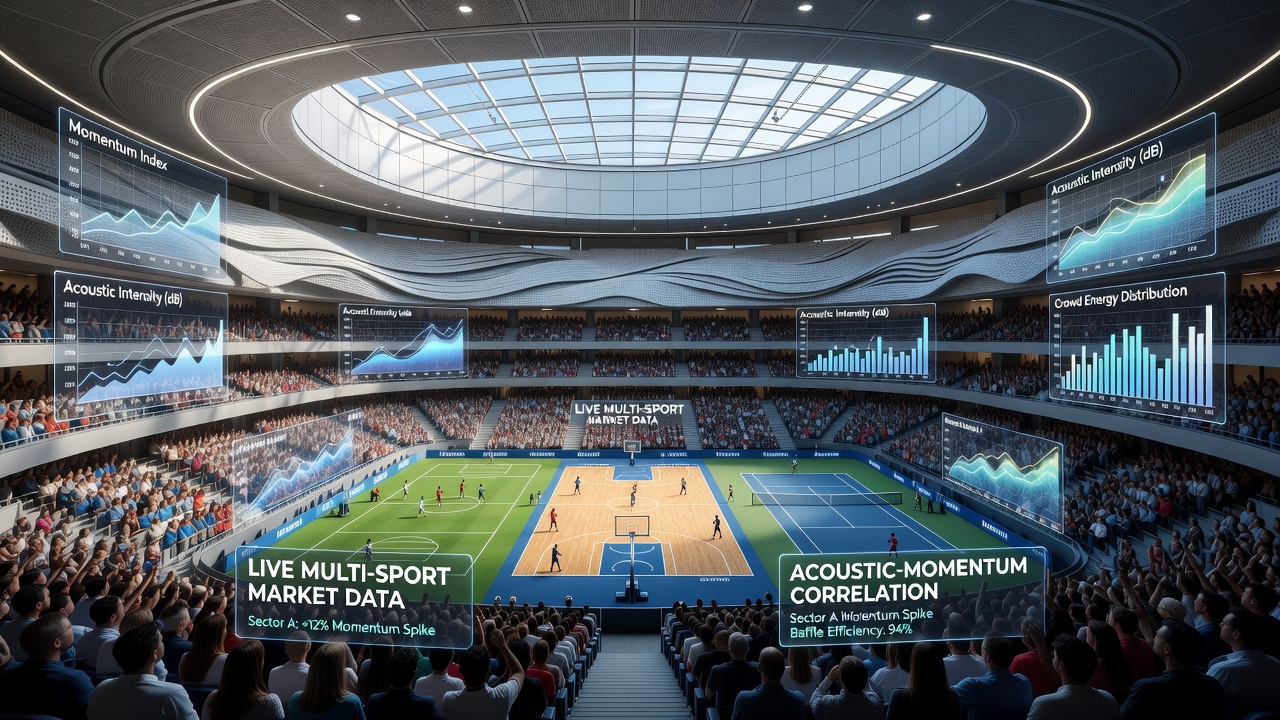
International football matches demonstrate similar correlations when temporary stands erected for tournaments alter echo patterns, and data collected from European leagues shows visiting sides conceding more set-piece goals in venues with pronounced reverberation. Live betting operators have incorporated these venue-specific tendencies into their models, allowing in-play markets to adjust spreads within seconds of observed momentum shifts that align with documented acoustic triggers.
Integration With Live Multi-Sport Wagering Markets
Operators now cross-reference architectural specifications with historical performance metrics to refine live odds across football, basketball, and baseball simultaneously. When a domed venue hosts concurrent events, algorithms detect noise-related slowdowns in one sport and project parallel effects in another, producing coordinated price movements that traders monitor through aggregated data feeds. Figures released by the National Collegiate Athletic Association in early 2026 indicated that venues with upgraded acoustic treatments experienced 14 percent greater variance in second-half scoring margins compared with untreated facilities.
Those who've examined betting exchange records note that momentum indicators tied to acoustic events generate distinct clustering patterns, particularly during evening fixtures when ambient temperature interacts with sound reflection. Australian sports regulatory bodies have begun requiring operators to disclose venue-specific data inputs used in live pricing, and similar transparency measures appear under consideration in several Canadian provinces. NCAA venue acoustics research provides one public dataset that market participants reference when constructing multi-leg positions spanning different leagues.
Measurement Techniques and Data Sources
Engineers deploy microphone arrays and wearable sensors to map sound pressure levels at player positions throughout matches, generating granular datasets that feed into predictive models. Universities in the United States and Australia have published joint findings showing that certain frequency bands correlate with increased penalty rates across contact sports, while other frequencies associate with improved defensive communication. These studies supply the empirical foundation that live-market algorithms draw upon when recalibrating probabilities after acoustic events occur.
Industry groups such as the Sports Betting Integrity Association have compiled venue profiles that list reverberation times alongside historical momentum metrics, enabling operators to flag situations where architectural factors may amplify or dampen expected swings. In June 2026 updates to these profiles incorporated new measurements from retrofitted European arenas, revealing consistent patterns that span multiple continents and competition formats.
Conclusion
Stadium design elements continue to influence acoustic conditions that coincide with observable momentum changes, and live multi-sport markets increasingly integrate these variables into pricing mechanisms. Data collection efforts by academic institutions and regulatory bodies supply the factual basis for ongoing refinements, while venue operators adjust physical features to meet both performance and commercial requirements. As measurement technologies advance, the connections between architecture, sound, and market movements remain subject to further documentation across global sports calendars.