4 Jun 2026
New York Poised to Lead Nation With Mandatory Monthly Sports Betting Statements

New York lawmakers have approved legislation known as A10329 that will require online sportsbooks to deliver monthly electronic activity statements to bettors, and this measure passed unanimously through both the Assembly and Senate before heading to Governor Kathy Hochul for her signature. The bill establishes New York as the first state in the country to implement such a requirement, with the rules scheduled to take effect in 2027 across the nation's largest sports betting market where operators including FanDuel, DraftKings, and BetMGM hold significant positions.
Statements under the new rules must include detailed breakdowns of deposits made by the bettor, total wagers placed during the period, winnings and losses recorded, time spent on the platform, any promotional credits used, and a cumulative lifetime wagering history that tracks activity across the entire relationship with the operator. These electronic reports will arrive each month directly to users, creating a standardized method for individuals to review their own betting patterns without needing to request the information separately.
Key Provisions and Timeline
The legislation specifies that the monthly statements must present all data in a clear electronic format that remains accessible to bettors at any time after delivery, and operators will face compliance obligations starting January 2027 once the governor signs the measure into law. Because the bill advanced with unanimous support in both chambers, the path forward depends primarily on the governor's review and approval, which observers expect to occur before the end of the current legislative session in June 2026.
Those who have followed similar consumer protection efforts note that the New York approach goes further than existing voluntary tools offered by some platforms, since it mandates automatic delivery rather than requiring bettors to opt in or log into an account dashboard to generate reports themselves. The inclusion of time spent on platforms alongside financial metrics gives users a fuller picture of engagement levels that research from the National Council on Problem Gambling has linked to potential risk indicators.
Industry Response and Market Context
Major operators active in New York have already begun preparing internal systems to generate the required reports, since the state market generates substantial handle volume each year and compliance will affect every licensed online sportsbook once the 2027 deadline arrives. The measure applies uniformly across all platforms, creating a level playing field that avoids competitive disadvantages for any single company while ensuring consistent consumer access to activity data.
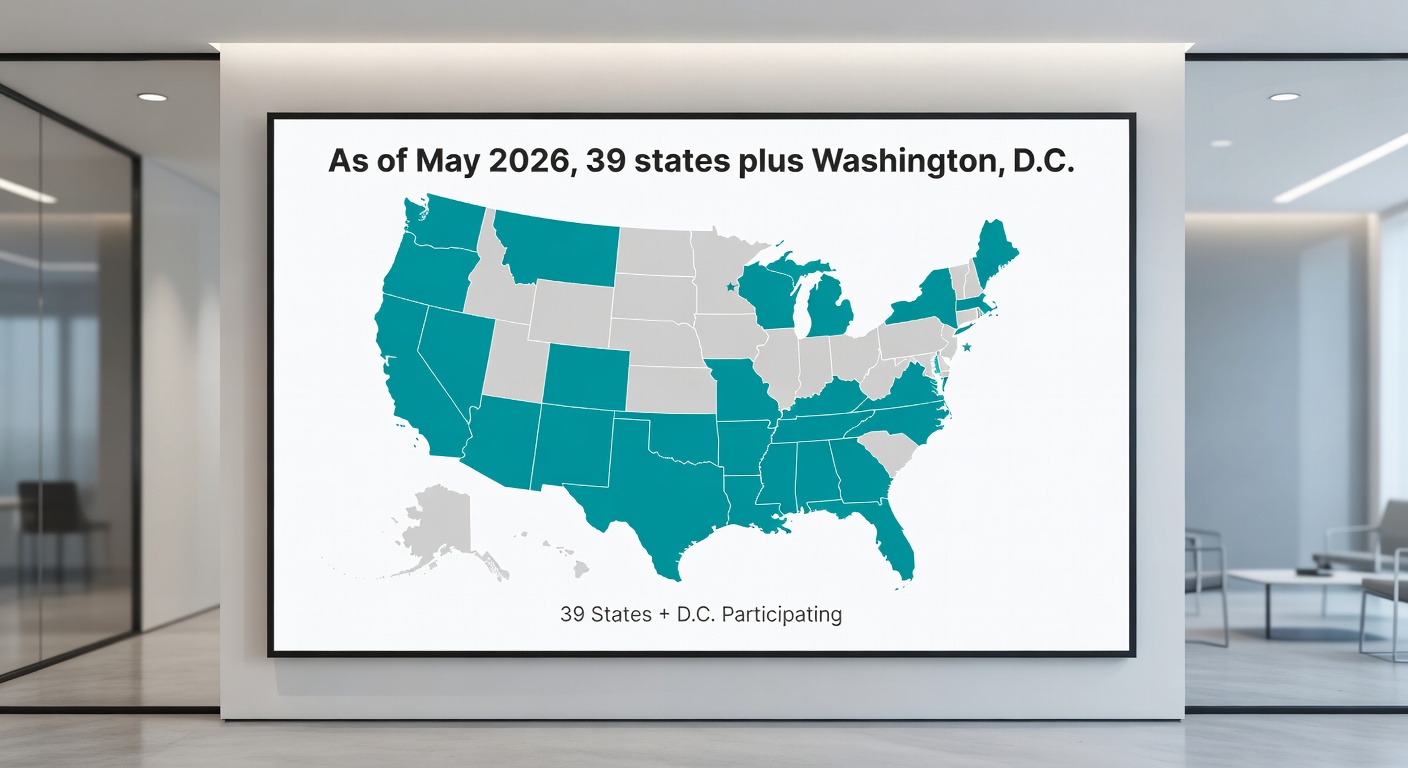
Because New York represents the largest regulated sports betting jurisdiction in the United States by handle, the implementation here carries particular weight for how other states might evaluate similar consumer tools in coming years. Data from state gaming agencies shows continued growth in participation since legalization, and the new reporting requirement arrives as part of broader efforts to equip bettors with information that can support informed decision making around their activity levels.
Broader Implications for Consumer Protections
Advocates for responsible gambling measures have pointed to studies conducted by university research teams that examine correlations between regular activity reviews and changes in betting behavior, and the New York legislation incorporates several of those elements into a single mandatory framework. The lifetime history component ensures that bettors receive not just monthly snapshots but also aggregated records that span their entire account history, which can reveal longer-term trends that shorter reports might obscure.
Operators will need to integrate these reporting functions into existing customer management systems without disrupting normal platform operations, and the electronic delivery method aligns with how most bettors already interact with their accounts through mobile apps and websites. The bill avoids creating new fees or taxes on either operators or bettors, focusing instead on transparency as the primary mechanism for supporting consumer awareness.
Conclusion
The passage of A10329 marks a distinct step in state-level regulation of online sports betting, with New York establishing a precedent that other jurisdictions may examine as they refine their own consumer protection frameworks. Once signed by Governor Hochul, the rules will require consistent monthly statements containing deposits, wagers, winnings, losses, time spent, promotional credits, and lifetime history, all delivered automatically beginning in 2027 to every account holder in the state. This development affects the largest sports betting market in the country and places New York ahead of other states in mandating such detailed activity disclosures.