23 Jun 2026
Record Betting Volumes Expected as 2026 World Cup Approaches

Projections for the 2026 FIFA World Cup point to unprecedented wagering activity across global markets as the expanded tournament gets underway, and observers note that the event beginning June 11 in Mexico City will run through late July with its final at MetLife Stadium in New Jersey. Data from industry analysts shows global wagers could surpass $50 billion, a sharp increase from the more than $35 billion recorded during the 2022 edition, while favorable North American time zones and wider legal sports betting access in the United States combine to fuel that growth.
The tournament format expands to 104 matches, which creates additional betting opportunities throughout the schedule, and experts tracking market trends highlight how this structure differs from previous cycles. U.S. legal sports betting now reaches approximately 65 percent of the population compared with roughly 40 percent in 2022, a shift that positions major operators such as FanDuel and DraftKings to capture significant portions of the projected handle.
Key Drivers Behind Projected Growth
Analysts examining the landscape point to three primary factors that differentiate 2026 from earlier World Cups, and those elements include the larger number of matches, convenient viewing hours for North American audiences, and broader regulatory acceptance of sports wagering across U.S. states. Figures reveal that the domestic handle alone may reach around $3.3 billion, which represents a notable portion of overall activity concentrated in states where online and retail platforms operate legally.
Market reports indicate that operators have prepared infrastructure to manage elevated transaction volumes during the tournament window, while payment processing networks and risk management systems receive upgrades ahead of the June start date. Those preparations reflect patterns observed in prior major events where handle spikes occurred during group stage and knockout rounds alike.
U.S. Market Position and Operator Outlook
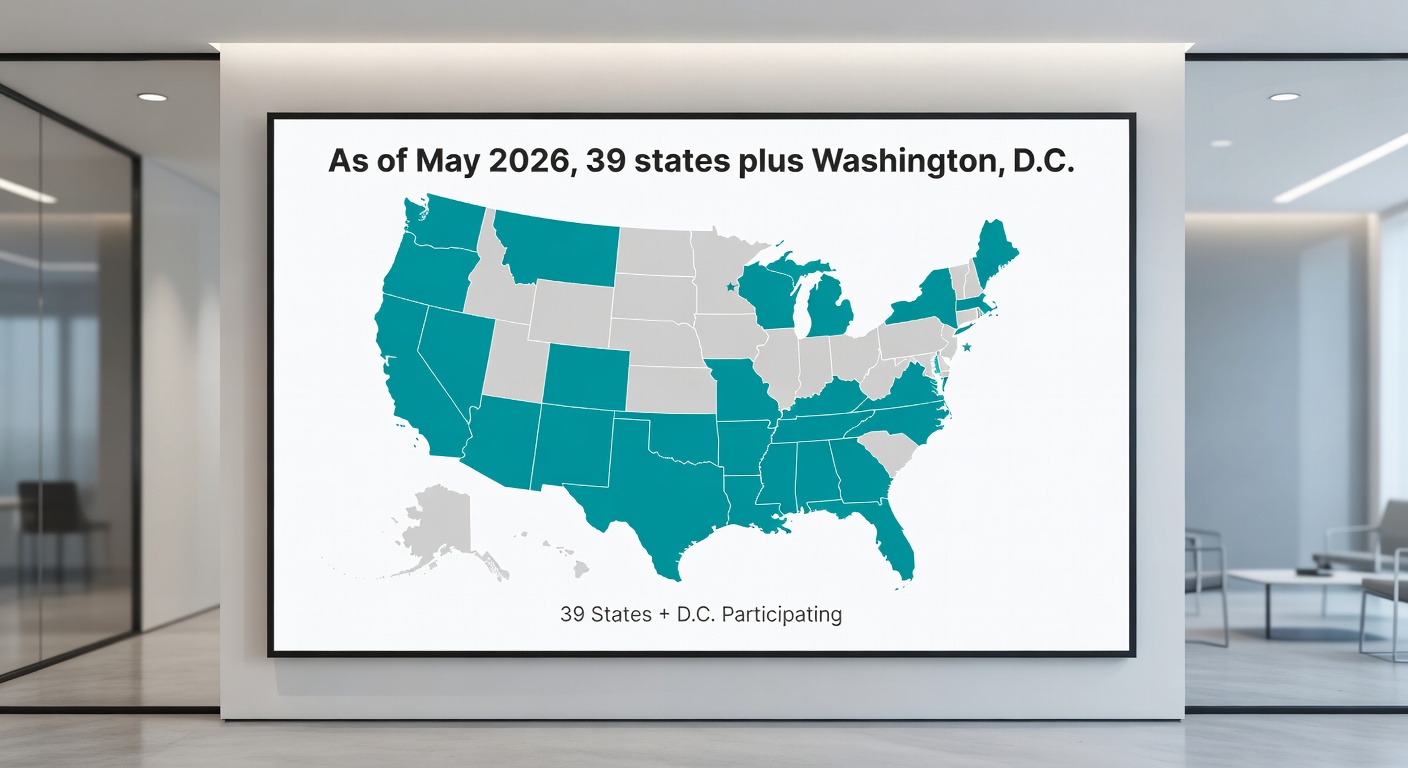
Legal access expansion across multiple jurisdictions has created a larger addressable audience for regulated platforms, and data shows this development coincides with the timing of the 2026 tournament. FanDuel and DraftKings stand among the prominent names expected to process substantial portions of U.S. wagers, though smaller regional operators also anticipate increased activity as the matches unfold from Mexico City through the final in New Jersey.
Industry observers track how state-level tax revenues and regulatory frameworks interact with these projections, yet the core estimates center on total handle rather than specific tax outcomes. The CNBC report referenced in market discussions outlines the $50 billion global figure and the domestic $3.3 billion estimate, both of which derive from models incorporating participation rates and historical betting patterns from similar events.
Format Changes and Viewing Accessibility
The jump to 104 matches extends the duration of betting markets and introduces more fixtures across time zones that align better with U.S. and Canadian audiences than previous tournaments hosted primarily in Europe or the Middle East. Researchers studying viewer engagement note that prime-time slots in North America correlate with higher live betting volumes, particularly during evening matches when audiences can participate in real time.
Expanded group stages and additional knockout rounds generate layered wagering options that extend across several weeks, and this structure differs from the 32-team format used in 2022. Those who monitor betting trends observe that prolonged tournaments tend to sustain interest and handle beyond the opening matches, a pattern expected to repeat in 2026.
Conclusion
Current projections position the 2026 World Cup as the largest betting event on record when measured by total wagers, driven by the combination of format expansion, demographic reach in North America, and established legal frameworks in key markets. The event timeline from June 11 in Mexico City to the late July final in New Jersey provides the backdrop against which operators and regulators will measure actual outcomes relative to these forecasts.