21 May 2026
Sports Betting Legalization Advances Across 39 States Plus D.C. as Online Options Expand in May 2026

Thirty-nine states plus Washington, D.C., now permit some form of sports betting whether retail or online, while thirty states have rolled out mobile or online apps for bettors to use. This setup reflects steady legislative progress through the spring of 2026, with several chambers advancing measures that either launch new markets or add consumer safeguards to existing ones. Observers note that the patchwork of rules continues to evolve, yet the overall trend points toward broader access in more jurisdictions.
Recent Legislative Moves Shape the 2026 Landscape
Wisconsin joined the list of states with online sports betting when its governor signed the legalization bill on April 9, 2026. That measure cleared the way for regulated mobile platforms, and operators have begun preparing applications while state regulators finalize licensing procedures. Data from tracking services shows Wisconsin's entry brings the total number of states offering online options closer to the thirty already active. Meanwhile Mississippi's House advanced several bills, including HB 4074, that address both expansion and oversight in the state's existing retail market. Those proposals now move to the Senate for further review.
Colorado's Senate approved a consumer protection bill in May 2026 that strengthens rules around advertising and responsible gambling features. Lawmakers there tied the new requirements to the state's established online sports betting framework, which already supports multiple licensed apps. The bill's passage illustrates how states with mature markets continue to refine regulations rather than simply open new doors. Researchers tracking these changes point out that such consumer-focused updates often follow initial legalization by a year or two.
Additional States Consider Next Steps
Hawaii lawmakers held committee hearings on sports betting proposals during the spring session, though no final vote occurred before the recess. The discussions centered on whether the state would start with retail locations or move directly to online licensing. Nebraska continued its review of similar legislation, with bills focusing on tribal partnerships and revenue distribution receiving attention in both chambers. South Carolina's House and Senate committees examined measures that would legalize mobile betting while setting tax rates and integrity standards.
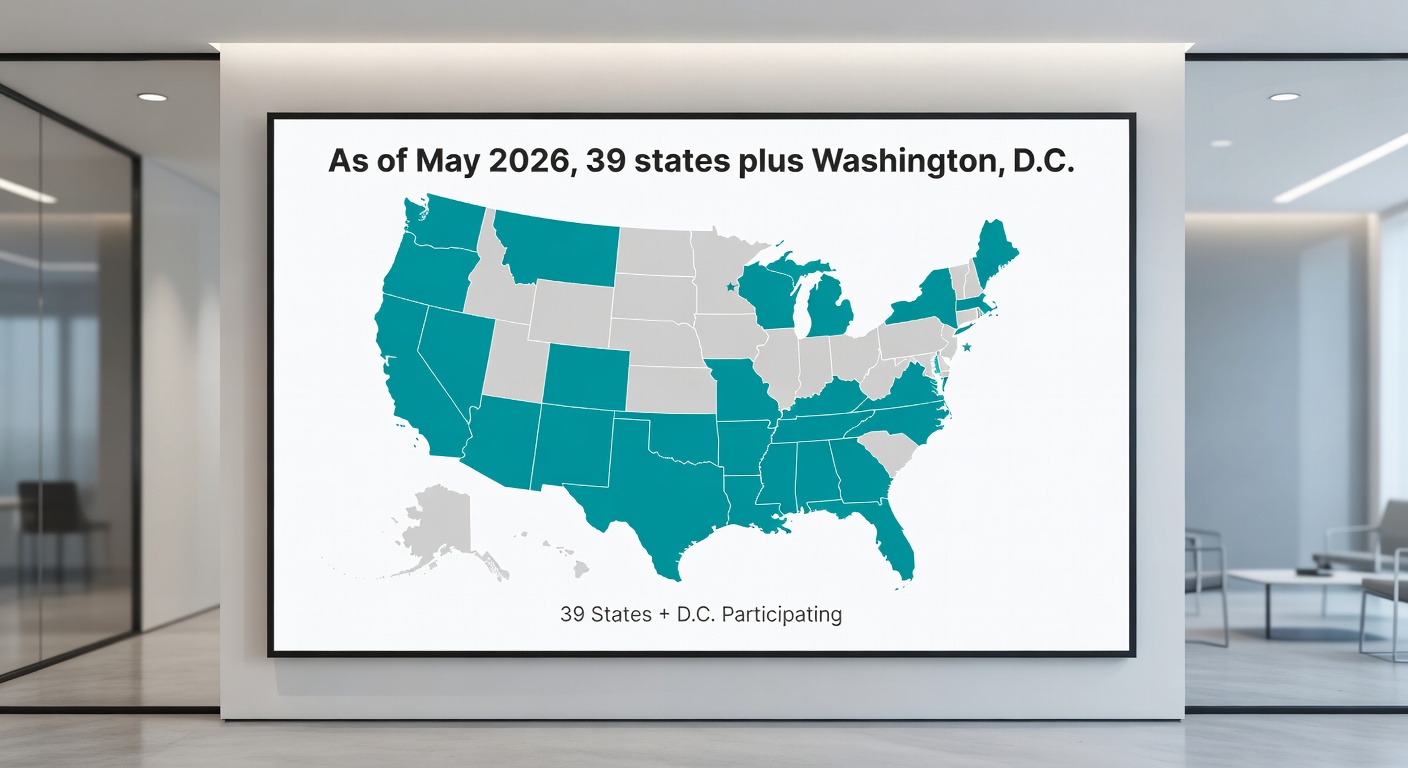
Those three states represent the next wave of potential market openings. People who follow legislative calendars expect further action when sessions resume later in 2026 or in early 2027. Figures released by industry analysts indicate that each new state adds measurable handle growth once apps launch, yet the pace depends on how quickly regulators issue licenses and how operators market to local audiences.
Broader Patterns in State-by-State Progress
Across the country the split between retail-only and full online markets remains clear. Some states still limit betting to physical locations at casinos or racetracks, while others allow users to place wagers from phones or computers after age verification. Thirty states currently meet the online threshold, and the addition of Wisconsin pushes that count higher. Experts who compile these tallies note that states without online access often cite concerns over enforcement or revenue sharing with tribes as reasons for slower movement.
Recent activity also reveals differences in how new consumer protections are introduced. Colorado's May 2026 bill, for instance, requires clearer disclosures on betting odds and sets limits on promotional bonuses. Mississippi's HB 4074 package includes similar language alongside provisions for expanded retail outlets. Such details matter because they influence how quickly new markets reach full operation after legalization passes. Those who've studied prior rollouts observe that states incorporating protections early tend to experience fewer early legal challenges.
Conclusion
The May 2026 snapshot shows continued expansion of legal sports betting, with Wisconsin's April signing and legislative steps in Mississippi, Colorado, Hawaii, Nebraska, and South Carolina marking the latest developments. Thirty-nine states plus D.C. now operate under some form of legalization, and thirty support mobile or online apps. Further updates will likely emerge as remaining sessions conclude and regulators implement new rules.